
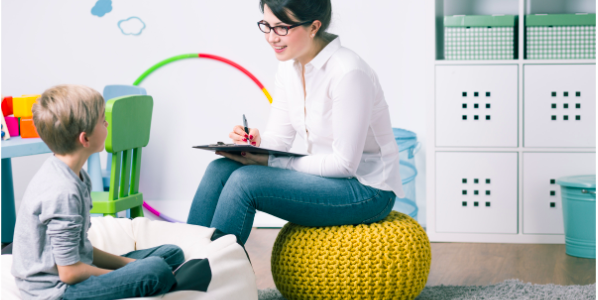
Occupational Therapy Activities For Children

Occupational Therapy Activities For Children

Children are born with a clean slate. This is why we celebrate milestones when they roll, crawl, sit, talk, and walk. Interestingly, even though they don’t know it yet, children become more confident every time they achieve a milestone. Occupational therapy for children has a similar impact.

Activities introduced during occupational therapy in Singapore helps children to accomplish their daily tasks, improve performance, and makes play more fun. The outcome is a child with high self-esteem.

Are all children likely to benefit from occupational therapy? 

Yes, all children stand to benefit from occupational therapy. Since it is difficult to tell from an early age if your child will need occupational therapy Singapore, introducing activities that will help develop fine motor skills is a great start. 

Some of the following activities help improve attention, social interaction and help develop fine motor skills. Most children today even start developing computer skills and handwriting long before they get to preschool. 

Early introduction of occupational therapy activities to children gives them a head start in life. Those that eventually need the help of an occupational therapist will be more responsive since they are familiar with some of the activities recommended during occupational therapy for children. 

Proprioceptive activities

These are weight-bearing activities that work on our muscles and joints. It is important to introduce these activities because children become aware of their bodies and the impact of pressure on the joints. 

Proprioceptive activities help children to detect force and pressure on their joints easily. Once they start sensing force and pressure, they will learn how to control sensory stimulation. For example, when they start to crawl, babies sit when they start to fill the pressure on their knees. 

Some of the activities recommended during occupational therapy for children to work on their muscles and joints include;

  • Resistance activities such as pulling and pushing
  • Weight-bearing activities like pushups and crawling. 
  • Jumping on a trampoline and running to test cardiovascular stimulation. 
  • Oral activities, like blowing bubbles and blowing a wind instrument.
  • Carrying books and other items to test how much weight he can carry. 

Children with autism often struggle to regulate their emotions and responses to sensory stimulation. These activities will help them test their limits and even distract them when they experience sensory overload. 

Activities to stimulate cognitive development

Occupational therapy Singapore helps to improve cognitive development. You can help test your child’s development patterns early by introducing these activities at home. When you are consistent, you will see the changes in your child’s cognitive development as he grows. 

Activities you can introduce to test your child’s thinking skills include;

  • Play with puzzles
  • Card games
  • Tearing papers into strips
  • Making designs on paper using the paper punch
  • Picking coins and putting them in a piggy bank
  • Use small crayons to colour pictures
  • Create a collage with picture cut-outs
  • Transfer objects from one dish to another using a spoon
  • Create shapes using dough

These activities do not replace the expertise of an occupational therapist. Some are regular activities that children are naturally drawn to. This is why occupational therapy for children intentionally includes activities that children enjoy. 

Intentionally choosing some of these activities will help you monitor your child’s responses to stimuli. Should you notice abnormalities in your child’s reactions to some of the activities, the occupational therapist will explain these responses and introduce ways to help your child cope. 
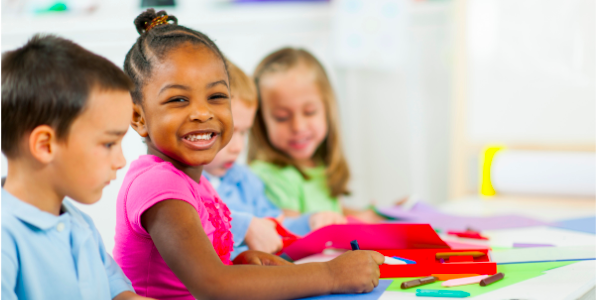
Top 5 Qualities of a Good Preschool

Top 5 Qualities of a Good Preschool

The preschool program is not compulsory in Singapore. However, more than 90% of children aged between three and six attend at least one year in preschool. Given the competitive nature of education in Singapore, most parents introduce basic education to their children from a young age. 

For example, by the time they join preschool, most children can comfortably count, identify parts of their bodies, and even say the alphabet. However, the preschool program runs for three years. So, parents with children who are yet to start learning can still enrol their children early to ensure they are ready for primary school. 

Since preschool sets the foundation for formal education, parents need to get it right by choosing the right preschool. Singapore has more than 1,800 kindergartens. This is awesome because parents have plenty of options. The downside is there are many top preschools in Singapore, so choosing one can be a little difficult. 

The following are some of the qualities you should look out for when choosing a preschool in Singapore. 

Uses the ideal curriculum and teaching methods

Singapore has approved six curriculums for preschools. They are Play-based, Montessori, High Scope Method, Reggio Emilia, Waldorf Steiner, and the Theory of Multiple Intelligences. While some preschools use only one of these curriculums, some use more than one. 

The ideal preschool program is one that fits your child best. Children take in information in different ways. While some children thrive in a purely academic preschool curriculum, others perform best when they learn through play. 

Some of the best preschools in Singapore appreciate the differences in children, including their learning pace. Multiple teaching methods give all preschoolers the chance to understand the lessons and develop the necessary skills. 

Carries out periodic training for teachers

All preschools in Singapore are mandated to employ qualified teachers. Preschool teachers are required to have a certificate or a diploma in early childhood development. One thing that separates regular preschools from the top preschools is the continuous training the teachers undergo to improve their teaching methods. Continual development is critical for a successful preschool program. 

Share your preferred methods of discipline. 

As a parent, you probably expect your child to misbehave or make mistakes. The teachers and preschool management expect that they will have to handle conflict resolution when children get into arguments and fights. What disciplinary actions do you find acceptable? 

Do you prefer timeouts or conflict resolution? The top preschools in Singapore regularly train teachers how to handle indiscipline and conflicts amongst children. These preschools ensure parents appreciate, understand, and even support their approach to managing indiscipline. 

Assesses a child’s development

During the preschool program shortlisting process, parents often overlook the preschool’s ability to assess a child’s milestone achievements. Most of the top preschools in Singapore set learning and developmental goals, which they evaluate periodically. 

The school then communicates their findings with the parents. For example, besides the academic achievements, a preschool program should check the skills a child develops during the years he spends in preschool. 

Provides a healthy diet

Did you know that children often develop food preferences in their preschool years? The top preschools appreciate the significance of the diet on the children. This is why most focus on healthy, tasty meals. A good preschool program takes into account children with special dietary requirements and allergies. 

Having a list of a good preschool’s qualities, based on your priorities, will make it easier for you to identify the best preschool for your child. It is important to consider your child’s personality and learning preferences when choosing a preschool. This way, you can be sure your child will enjoy the preschool program and even look forward to progressing to primary school.